
Table of Contents
- Why Your Cat Needs a Scratching Post
- How to Choose a Cat Scratching Post
- Best Budget-Friendly Cat Scratching Posts Under $100
- Mid-Range Options: $100-$200
- How to Stop Cats from Scratching Furniture
- Maintenance and Durability Tips
- Frequently Asked Questions
Last Updated: September 19, 2026
Why Your Cat Needs a Scratching Post
Cats scratch for more than just entertainment. They're maintaining their claws, stretching their muscles, and marking territory through scent glands in their paws. Without a proper outlet, they'll redirect that instinct to your furniture, carpets, and curtains. A budget-friendly cat scratching post gives your cat a designated place to satisfy these natural behaviors while protecting your home.

How to Choose a Cat Scratching Post
Picking the right budget-friendly cat scratching post means balancing material, height, stability, and your cat's preferences.
Height and Stability Requirements
Most cats need at least 30 inches of vertical space to stretch fully; 40-50 inches suits larger cats or multi-cat homes. Stability matters more than price, a wobbly post will be ignored. Look for a heavy base with a wide footprint that resists tipping.
Scratching Material: Sisal vs Cardboard Scratchers
Sisal rope is the gold standard for vertical scratching, durable, satisfying, and lasting months with regular use. It sheds fibers over time, requiring occasional vacuuming. Corrugated cardboard works well for horizontal scratchers and is cheapest; expect to replace inserts every 2-3 months in multi-cat homes. Carpet-covered posts are less ideal because cats may confuse them with home carpeting.
Best Budget-Friendly Cat Scratching Posts Under $100
PAWZ Road Cat Tree 5-Tier Floor to Ceiling Climbing Tower, $69.99
This tower adapts to your space with adjustable height from 94 to 108 inches, fitting most ceiling heights without modification. The 3.5-inch poles wrap in natural green sisal rope, giving cats multiple vertical scratching opportunities across five tiers.
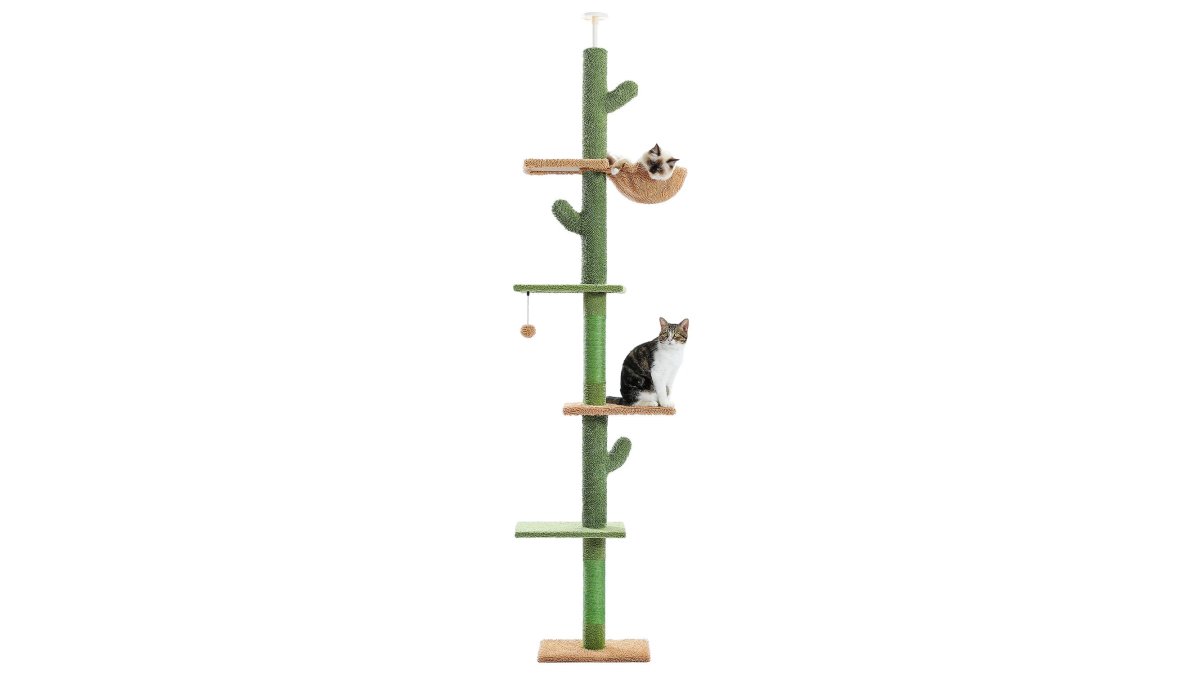
Pros:

- Adjustable height fits most ceiling types
- Natural sisal rope on all posts
- Supports multiple cats
- Quick assembly
Cons:
- Requires wall anchoring for safety
- Limited lounging space compared to larger models
PAWZ Road Cat Tree Indoor Five Level Tower With Hammock, $81.99
Standing 56.3 inches tall, this five-level tower combines scratching with comfortable lounging. Four natural sisal posts keep claws sharp while the large 20 x 17.7 inch hammock provides a favorite napping spot. It includes a condo, plush top perch, and replaceable dangling ball.

Pros:
- Generous hammock size
- Multiple lounging levels
- Sisal posts for claw maintenance
- Available in five colors
Cons:
- Slightly shorter than some alternatives
- Requires stable floor placement
PAWZ Road Multilevel Cat Tree With Sisal Posts And Perch, $104.99
This four-tier corner design maximizes space in apartments. Ladder-style platforms let cats climb and lounge, with a spacious top perch for lookout views. Dual-type scratching posts combine soft cotton linen with natural sisal, satisfying different scratching preferences.
Pros:
- Space-saving corner design
- Dual scratching materials
- Lightweight yet sturdy
- Fits small apartments
Cons:
- Fewer levels than taller models
- Limited multi-cat capacity
Mid-Range Options: $100-$200
PAWZ Road Dinosaur Cat Tree Tower With Sisal Scratching Post And Rattan Condo, $145.99
Standing 116 cm tall, this three-tier design features dual reinforced wooden bases and non-slip silicone pads for stability. Every inch wraps in natural sisal rope, maximizing scratching opportunities. The spacious beige rattan condo provides a breathable retreat with a removable, washable mat. Supports cats up to 20 lbs.
Pros:
- Full-leg sisal scratching coverage
- Stable dual-base design
- Playful aesthetic
- Removable, washable mat
Cons:
- Limited lounging space
- Smaller weight capacity
Pawz Roofer Multi Level Cat Tree With Scratching Posts Hammock, $178.99
Five distinct climbing zones create an engaging vertical playground with an enclosed condo, soft top perch, and suspended acrylic hammock. Dual hanging pompom toys drive daily exercise. Natural sisal rope wraps the posts, and the dense wood frame includes wall-anchoring hardware, rubber anti-slip pads, and protective corner guards.
Pros:
- Five distinct levels
- Sisal rope on all posts
- Hammock included
- Safety wall-anchoring hardware
Cons:
- Requires wall mounting
- Larger footprint
PAWZ Road Cat Tree Tower With Solid Wood Scratching Posts, $187.99
Three-layer structure on solid-wood posts provides vertical exploration with stability. The large hand-woven wicker basket bed suits larger cats, with a soft plush mat. The bottom condo and upper hammock provide multiple resting spots. Replaceable parts and a removable machine-washable mat keep maintenance simple.
Pros:
- Natural solid wood construction
- Machine-washable mat
- Replaceable parts available
- Modern aesthetic
Cons:
- Mid-range price point
- Requires regular vacuuming (wood shedding)
How to Stop Cats from Scratching Furniture
Even with a quality scratching post, some cats need encouragement to use it instead of your furniture. Understanding why your cat ignores the post is the first step.
Diagnose Your Cat's Scratching Preference
Observe where and how your cat scratches. Are they clawing the sofa arm (vertical) or shredding the underside (horizontal)? Cats have strong material and angle preferences, and a post that doesn't match their instinct will sit unused.
Strategic Placement: Location Matters More Than Price
Place posts near furniture your cat already targets or in high-traffic areas. Position a vertical post directly beside the couch arm for 2-3 weeks, then gradually move it once the habit is established. For multi-level homes, place posts on each floor, cats won't climb stairs to find a scratching outlet.
Transition Protocol: Making the Switch Stick
Week 1: Place the post in the target location. Reward scratching with high-value treats (wet food, freeze-dried meat, or toys) within seconds of the behavior. Repeat 3-5 times daily. Week 2: Continue rewarding post use while applying deterrents to furniture, double-sided tape, aluminum foil, or commercial sprays make your couch less appealing. Week 3+: Gradually reduce treats as post use becomes habitual.
Pheromone and Scent Strategies
Feline pheromone sprays (like Feliway) increase post interest and work best combined with the reward protocol above. Alternatively, rub a soft cloth on your cat's face and then on the post, your cat's own scent makes it feel like territory worth maintaining.
Why Punishment Fails
Never punish scratching on furniture. Cats don't understand punishment as cause-and-effect; they only learn to scratch when you're not watching. Positive reinforcement works faster and builds trust.
Troubleshooting Persistent Resistance
If your cat still ignores the post after 4 weeks: try a different material (cardboard or carpet instead of sisal), adjust height or angle, add interactive elements like catnip or toys, check post stability, or provide one post per cat plus one extra in multi-cat homes.
Maintenance and Durability Tips
Regular maintenance extends post life and keeps it attractive to your cat. For budget-friendly posts, maintenance is where you recoup your investment.
Weekly Vacuuming and Inspection
Vacuum weekly to prevent sisal fiber buildup. While vacuuming, inspect the base and posts for wobbling, loose bolts, or fraying rope to catch small issues before they become safety hazards.
Replacing Worn Sisal Rope: DIY Re-Wrapping
When sisal becomes frayed, re-wrap the poles with new sisal rope, a 50-foot spool costs $15-$25 and can refresh 2-3 posts.
Replacing Cardboard Inserts
Cardboard inserts wear faster than sisal; replace every 2-3 months in multi-cat homes. Replacement inserts cost $5-$15 per set from the manufacturer. If unavailable, create your own from corrugated cardboard boxes cut to fit, rolled tightly, and secured with tape or staples.
Washing Removable Mats and Covers
Wash removable mats every 2-3 weeks in cold water on gentle cycle with mild detergent; air dry completely. Do not use fabric softener or bleach. For non-removable covers, spot-clean with a damp cloth and mild soap.
Tightening Bolts and Reinforcing Stability
Check monthly for wobbling or damage. Tighten all bolts and screws, ensure the base sits flat, inspect poles for damage, and verify wall-anchoring hardware is secure. If bolts keep loosening, apply threadlocker compound to prevent vibration.
Rotating and Refreshing Toys
Dangling balls and pompoms lose appeal over time. Rotating toys weekly keeps play engaging and extends the post's usefulness. Store unused toys in a sealed bag so they retain novelty.
Seasonal Deep Cleaning
Every 6 months, perform a deep clean:
- Vacuum all surfaces thoroughly, including under cushions and in crevices.
- Wipe down wooden poles with a damp cloth.
- Wash all removable covers and mats.
- Inspect for pest damage (especially if the post is near windows or doors).
- Check for mold or mildew in damp climates; if found, treat with a pet-safe antifungal spray and improve ventilation.
Replacement Parts and Extended Life
Many manufacturers offer replacement parts, sisal rope, mats, covers, and even structural components, at a fraction of the cost of a new post. Before discarding a damaged post, check if the manufacturer sells spare parts.
| Maintenance Task | Frequency | Cost | Impact |
|---|---|---|---|
| Vacuuming sisal | Weekly | $0 | Prevents fiber buildup, keeps home clean |
| Washing removable mats | Every 2-3 weeks | $0 | Reduces odor, increases post appeal |
| Inspecting stability | Monthly | $0 | Prevents injury, extends post life |
| Re-wrapping sisal rope | Every 6-12 months | $3-$5 per pole | Restores scratching appeal |
| Replacing cardboard inserts | Every 2-3 months | $5-$15 per set | Maintains scratching satisfaction |
| Rotating toys | Weekly | $0 | Maintains play interest |
| Replacing worn toys | Every 3-6 months | $2-$5 | Reignites engagement |
| Deep cleaning | Every 6 months | $0 | Prevents pest and mold issues |
Frequently Asked Questions
What material is best for a cat scratching post?
Sisal rope and corrugated cardboard are the two most effective materials. Sisal rope provides durable, long-lasting scratching surfaces that withstand repeated use and satisfy cats' claw maintenance needs. Corrugated cardboard offers affordability and replaceability but wears faster. Many cats prefer sisal for its texture and grip, though individual preferences vary. The PAWZ Road Cat Tree 5-Tier Floor to Ceiling Climbing Tower ($69.99) uses natural sisal rope wrapped around sturdy posts, combining durability with budget-friendly pricing.
How tall should a cat scratching post be?
Cats need scratching posts at least 30 inches tall to stretch fully while scratching, which supports healthy claw maintenance and muscle development. Vertical scratching posts allow cats to extend their entire body, satisfying natural instincts to mark territory and shed claw sheaths. Taller posts, 48 inches or more, work better for multiple cats or active climbers. The PAWZ Road Cat Tree Indoor Five Level Tower With Hammock reaches 56.3 inches, providing ample vertical space for stretching and climbing across multiple levels.
How do I get my cat to use a new scratching post?
Place the post near furniture your cat already scratches or in high-traffic areas where your cat spends time. Rub catnip on the sisal rope or scratching surfaces to attract interest, then reward your cat with treats and praise when they use it. Cats learn through positive reinforcement and repetition. Avoid moving the post frequently, consistency helps them form habits. If your cat ignores it initially, try different placements or add interactive toys nearby to spark curiosity and engagement with the post.
Can budget-friendly cat scratching posts support multiple cats?
Yes, many affordable options support multiple cats if they have sturdy bases and adequate weight capacity. Look for posts with triple or double-thick bases and wide footprints. The PAWZ Road Multilevel Cat Tree With Sisal Posts And Perch ($104.99) accommodates multiple cats with its four-tier design and corner placement, while the PAWZ Road Cat Tree 5-Tier Floor to Ceiling Climbing Tower ($69.99) supports 2-3 cats simultaneously. Always check weight limits and base dimensions before purchasing for multi-cat households.
Finding the right budget-friendly cat scratching post means balancing durability, stability, and your cat's preferences. The PAWZ Road models at Pet and Home Outlet deliver on all three without breaking your budget. Check out our full selection and give your cat the scratching surface they deserve, your furniture will thank you.