
Table of Contents
- What Makes a Cat Bed Durable
- Understanding Your Cat's Sleeping Habits
- Best Cat Beds for Heavy Scratchers
- Washable Cat Bed Materials and Durability
- How to Clean Cat Beds and Extend Their Lifespan
- Size, Placement, and Safety Considerations
- Signs of a Low-Quality Cat Bed
- Frequently Asked Questions
Last Updated: September 19, 2026
What Makes a Cat Bed Durable
Durability in cat beds depends on three core factors: material quality, construction methods, and design choices that withstand scratching, washing, weight stress, and years of use.
Durable cat beds differ from cheaper alternatives in fabric denier rating, stitching integrity, foam density, and base construction. Understanding these markers lets you spot quality instantly.
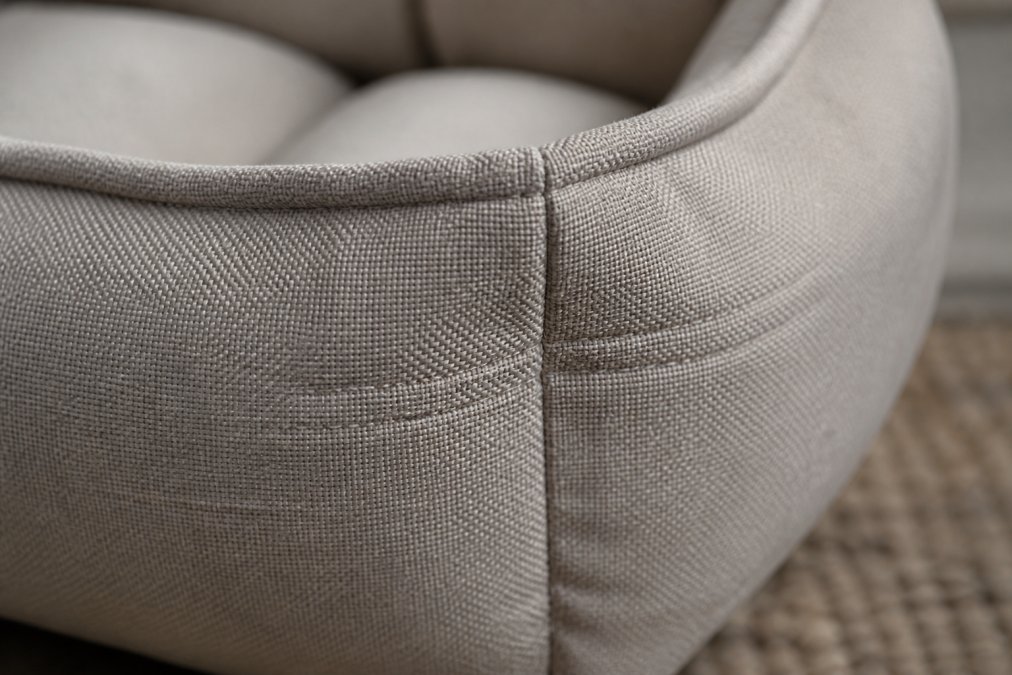
Material Quality and Fabric Grade
Look for upholstery-grade materials with a denier rating of 600D or higher, which measures fiber thickness and correlates with tear resistance. Lower denier fabrics (under 300D) pill and tear within weeks.
Dense woven fabrics like canvas blends and poly-blend upholstery outperform faux fur and fleece. Machine washable covers should use thread counts above 200 for tighter weave and stain resistance. Waterproof linings prevent moisture from reaching the inner cushion, preventing mold and odor.
Construction Methods That Last
Double-stitched seams with reinforced corners outlast single-stitched construction. Serged edges resist fraying better than raw-edge finishes. Seams sewn through multiple fabric layers prevent separation under weight.
Wooden frames with anti-slip leg pads reduce seam stress. MDF or plywood bases distribute weight evenly and resist warping. Elevated designs prevent moisture buildup that degrades foam and fabric.
Understanding Your Cat's Sleeping Habits
Your cat's age and behavior determine which durability features matter most. A kitten's destructive chewing demands different material resilience than a senior cat's moisture exposure.
Kittens and Young Cats (Under 2 Years) Young cats need beds with reinforced seams and 800D+ denier fabrics that resist puncture damage. Avoid loose decorative elements and weak stitching. Removable covers are critical for frequent stains and damage. Elevated designs reduce the surface area kittens can target.
Adult Cats (2-10 Years) Adult cats compress cushioning in favorite spots. High-density memory foam or orthopedic cushioning resists compression better than standard poly-fill. Washable covers prevent odor and stain accumulation. Bolster sides distribute weight across multiple support points.
Senior Cats (10+ Years) Senior cats need waterproof linings and moisture-resistant cushioning to prevent urine damage. Orthopedic support is essential because arthritic joints degrade standard cushioning within weeks. Cushioning must be at least 3-4 inches thick for genuine support. Insulating materials extend usable life by keeping cats comfortable.
Behavior-Specific Durability Needs Burrowing cats need reinforced bolster stitching. Heavy scratchers require tear-resistant fabric and reinforced seams. Cats that sleep in one spot need high-density foam that resists permanent indentation.
Track your cat's behavior for two weeks: scratching patterns, burrowing, sleeping position, accidents, shedding, and chewing. These observations map to material and construction requirements that determine longevity.
Best Cat Beds for Heavy Scratchers
Heavy scratchers destroy standard beds within months by targeting the same spots repeatedly. The BINGOPAW Waterproof Elevated Pet Sofa Bed uses elevated design and reinforced fabric with anti-slip base pads that resist movement during claw activity.

For scratchers, prioritize 800D+ denier fabric, reinforced corner stitching, and removable covers. Solid wooden frames give scratchers less to grip. Elevated designs protect the base from direct claw contact.
Washable Cat Bed Materials and Durability
Machine washable covers extend bed lifespan by removing stains, odors, and allergens without replacing the entire bed. The Raised Wooden Cat Bed With Plush Sofa includes a removable, machine washable cover.

Poly-blend fabrics with 200+ thread count hold up through dozens of wash cycles. Removable covers should fit snugly to prevent uneven wear and seam stress.
BINGOPAW Waterproof Elevated Pet Sofa →
How to Clean Cat Beds and Extend Their Lifespan
Proper cleaning and maintenance can extend a cat bed's lifespan by 2-3 years. Most durability failures stem from moisture accumulation, mold growth, and poor cleaning practices.
Weekly and Bi-Weekly Maintenance Vacuum the bed every 5-7 days using an upholstery attachment to remove fur and debris. For removable covers, shake out outdoors before washing to prevent moisture from being locked into cushioning.
For non-removable cushions, use a lint roller or fabric brush on the surface to remove loose fur without creating friction that pills the fabric. Spot-clean visible stains immediately with a damp cloth and mild soap, do not let stains sit, as they set into fibers and require harsher cleaning chemicals that degrade fabric durability.
Machine Washing Removable Covers: Technical Best Practices Machine washable covers are a durability feature only if washed correctly. Use cold water (60-70°F) because hot water causes fabric shrinkage and accelerates color fading. Hot water also weakens synthetic fibers and can cause elastic edges to lose tension. Wash on a gentle or delicate cycle to minimize agitation that stresses seams. Use mild detergent only, avoid bleach, fabric softeners, and enzymatic cleaners. Fabric softeners coat fibers with a slippery residue that cats dislike and that traps moisture against the fabric, promoting mold growth. Enzymatic cleaners break down protein fibers, weakening the fabric structure over time.
Wash covers every 2-4 weeks depending on usage; increase frequency if your cat has accidents, excessive shedding, or spends extended time on the bed. Washing more frequently (weekly) with mild detergent is safer than washing less frequently with stronger chemicals.
Drying is critical for durability. Air dry covers whenever possible by laying them flat or hanging them in a well-ventilated area. If machine drying is necessary, use the lowest heat setting (delicate or air-dry cycle) for no more than 20 minutes. High heat damages elastic edges, causes shrinkage, and can melt synthetic fibers. Never machine dry poly-fill cushions or foam-backed covers, heat causes the filling to clump and degrade, creating permanent lumps that make the bed unusable. Air dry cushioned elements completely before your cat uses the bed again; trapped moisture inside foam creates mold within 24-48 hours.
Moisture Management for Non-Removable Cushions Moisture is the primary enemy of non-removable cushions. After spot-cleaning, use a clean, dry cloth to absorb as much moisture as possible from the affected area. Place the bed in a warm, dry location with good airflow (near a window or fan) and allow 24-48 hours of complete air drying before your cat uses it again. If the bed remains damp after 48 hours, place it in direct sunlight for 2-4 hours; UV rays naturally kill mold spores and freshen the material. Never place a damp bed in a closed space or humid room, as this accelerates mold growth that destroys foam and creates health risks.
For beds with waterproof linings (especially important for senior cats), check the backing regularly for moisture accumulation. If moisture appears between the cushion and waterproof layer, separate the layers if possible and air dry each component independently. Moisture trapped between layers creates mold that spreads rapidly and is difficult to remove.
Repair and Patching: Extending Lifespan Beyond Replacement Minor damage doesn't require replacing the entire bed if caught early. Small tears in fabric covers can be patched using fabric adhesive patches (available at fabric stores) or by hand-stitching a reinforcement patch on the underside of the tear. This repair takes 10 minutes and costs under $5, extending the bed's life by months or years. For seams that are separating, use a needle and heavy-duty thread to re-stitch the seam with a double-stitch pattern, reinforcing the original stitching. This prevents the separation from spreading and compromising the entire seam.
If foam cushioning develops permanent indentations or lumps, the cushion can be replaced without discarding the frame or cover.
Size, Placement, and Safety Considerations
Bed dimensions affect durability because undersized beds concentrate weight and pressure in smaller areas, accelerating compression and seam failure. A bed that's too small forces your cat into cramped positions that create stress points. The BINGOPAW Waterproof Elevated Pet Sofa Bed comes in Small (70 × 40 × 39 cm, supports up to 20 kg) and Medium (80 × 50 × 39 cm, supports up to 25 kg) sizes, matching your cat's size prevents overstressing the structure.
Signs of a Low-Quality Cat Bed
Recognizing poor-quality construction before purchase saves you from replacing beds repeatedly. Thin fabric that feels papery rather than substantial typically tears within weeks. Seams that are visible from the outside (rather than hidden inside) suggest single-stitching that won't hold under stress. Beds with wobbly frames or frames that creak when your cat moves indicate weak joinery and unstable base construction.
| Quality Indicator | High-Quality Bed | Low-Quality Bed |
|---|---|---|
| Fabric feel | Substantial, dense weave | Thin, papery texture |
| Seams | Double-stitched, reinforced corners | Single-stitched, visible seams |
| Frame | Stable, no wobble | Creaky, loose joints |
| Foam | Holds shape, rebounds quickly | Compresses permanently |
| Odor | Minimal, dissipates within 24 hours | Strong chemical smell, lingers |
| Washability | Covers removable, fabric holds up | Covers stuck, fabric degrades |
Frequently Asked Questions
What materials make a cat bed the most durable?
High-denier fabrics like canvas and heavy-duty polyester resist tearing and scratching far better than thin materials. Look for beds with reinforced stitching, non-slip bases, and high-density foam or poly-fill that resists matting. Machine-washable covers with tight weaves and tear-resistant construction last significantly longer. Orthopedic beds with memory foam maintain their shape through years of use, while removable covers allow you to replace worn fabric without discarding the entire bed.
How often should you replace a durable cat bed?
A well-constructed durable cat bed can last 3-5 years or longer with proper maintenance. Inspect regularly for loose stitching, flattened cushioning, and stains that don't come out. If your cat shows signs of discomfort, the bed no longer provides adequate support, or the cover is torn beyond repair, replacement is needed. Beds with removable, machine-washable covers extend lifespan significantly since you can refresh the fabric without replacing the entire bed structure.
Are machine-washable cat beds more durable than non-washable ones?
Machine-washable cat beds are often more durable because you can remove stains, odors, and allergens without harsh scrubbing that damages fabric. Regular washing prevents buildup that weakens fibers over time. However, durability also depends on fabric quality and stitching integrity. A high-quality machine-washable bed with reinforced seams and tear-resistant material will outlast a cheap non-washable option. Always check care instructions to avoid shrinkage or damage during washing.
What features should I look for in a cat bed for a scratcher?
Heavy scratchers need beds with high-denier, tear-resistant fabrics and reinforced edges. Look for thick upholstery-grade materials that resist puncturing, tightly stitched seams that won't unravel, and bolster sides with extra padding. Avoid thin fleece or delicate fabrics that shred easily. Elevated designs reduce direct contact with vulnerable cushioning. Some durable beds feature scratch-resistant synthetic materials or canvas that withstand claw damage while maintaining comfort and support.